A good water slide turns a backyard into an instant resort. The squeals, the splash, the conveyor belt of kids hustling up the ladder, it all adds a current of joy to a party that bounce houses never quite match once the temperature climbs. If you have never booked one, or you have done it once and spent half the day wrestling with hoses and extension cords, this guide is the shortcut I wish I had before my first summer of backyard water slide parties. We will talk sizing for different yards and age groups, what the rental prices actually cover, how much water and power you will use, and the little decisions that separate smooth events from stressful ones.
What counts as a “backyard” water slide
Most companies offering inflatable rentals list two broad categories: residential backyard slides and event slides. The former are usually 12 to 22 feet tall with a compact footprint, sized to fit through a standard 36 inch gate and sit safely on lawn. Event slides stretch taller and longer, sometimes with dual lanes, and want more power, more anchoring, and easier access. Both fall under the umbrella of inflatable slide rentals, but the logistics feel very different when a driver must hand truck a 400 pound roll through a narrow side yard with a tight turn.
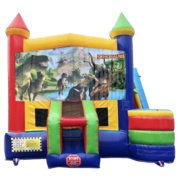
If you are browsing water slides for rent and see “combo,” that means a bounce house fused to a shorter slide, usually 12 to 15 feet tall. Combos are perfect for mixed ages and smaller spaces. Full slides start around 14 feet in height and climb from there. Slip and slides are a separate thing: a long, low inflatable lane with a running start and splash pad at the end. They eat less vertical space, need fewer overhead clearances, and handle crowds well when you want constant motion.
Picking the right size without guessing
Rental listings can mislead when they show only the platform height. You need three numbers: full length, full width, and true peak height. Then add buffer space for safety and for adults to walk the perimeter without stepping into the landing pool. The buffer is not decoration, it is where you will fix a hose kink, coach a nervous rider, or anchor an extra strap if the wind shifts. As a rule, add at least 5 feet on each side and behind, and 8 to 10 feet in front of the slide exit so kids do not shoot into a fence or shrub.
Here is a quick size picker that matches typical yards and age ranges.
- Small slides, 12 to 14 feet tall, footprint roughly 20 by 10 feet, handle ages 3 to 8, one rider at a time. Good for townhomes, narrow side yards, and birthday party water slide days with under 10 kids. Medium slides, 15 to 18 feet tall, 28 to 35 by 12 to 15 feet footprint, best for ages 5 to 12. A safe default for most suburban yards. Some include dual lanes. Large slides, 19 to 22 feet tall, 35 to 40 by 15 to 18 feet footprint, better for big kids and teens. Plan for two blowers and more anchoring. Yard must be fairly flat. Giant slides, 24 to 27 feet tall, 40 to 50 by 18 to 22 feet footprint, a spectacle. Demands wide access, flat ground, and strong power. Better for cul de sacs, acreage, or front yards with clear space. Combos, 12 to 15 feet, 25 by 13 feet footprint, bounce area with a short inflatable slide into a shallow splash zone. Easiest option for mixed ages and steady rotation.
The hidden constraint is gate width and path. A medium slide can weigh 250 to 350 pounds, rolled up to the size of a refrigerator. If your gate is under 36 inches, or the side yard has a tight dogleg, tell the rental company in advance. Some will carry smaller sections separately or switch you to a different model. I have seen crews set a 15 foot slide in a backyard reached only by a walkout basement stairwell, but it took extra hands and time, and it added a delivery fee that surprised the host.
What you will pay, and what you actually get
Prices vary with region and season. Late spring through Labor Day is peak. For a one day rental, plan these ballpark ranges in most U.S. Cities:
- Small, 12 to 14 feet: 200 to 350 dollars. Medium, 15 to 18 feet: 300 to 500 dollars. Large, 19 to 22 feet: 450 to 800 dollars. Giant, 24 to 27 feet: 700 to 1,200 dollars. Combo bounce house with water slide: 250 to 450 dollars. Slip and slide lanes: 250 to 500 dollars for single, 350 to 650 for double lane.
That base rate usually includes delivery, setup, and pickup within 10 to 20 miles of the warehouse, plus stakes or sandbags. It typically covers 4 to 8 hours of use, with small add ons for extra hours. Expect surcharges for long distance delivery, stair carries, or setups on hard surfaces where sandbagging or water barrels replace stakes. Some operators include a tarp underlayment and a hose y splitter, others do not. Ask.
Cleaning fees are a flash point. A good company sanitizes between every rental, period. You might still see language about a 50 to 150 dollar cleaning charge if the item returns with gum, food, glitter, or mud caked inside. That is not a trap so much as a way to nudge better behavior, because sand and grass clippings shorten the life of the seams. If your yard tends to puddle, throw a couple of old towels by the ladder to wipe feet.
Insurance matters. Any reputable outfit offering inflatable rentals should carry general liability and be willing to provide a certificate of insurance. If you host at a rented venue or HOA park, you might need to be named as additionally insured. There is no harm asking your vendor to email the COI well before the event. The companies that balk on that tend to have other shortcuts you do not want to discover on party day.
Weather policies vary. Most will reschedule for heavy rain, lightning, or winds above 15 to 20 miles per hour. Light drizzle is usually fine for a water slide, but wet lawns can complicate anchoring. A few companies issue rain checks if you cancel 24 hours out, others keep a nonrefundable deposit, often 50 to 200 dollars. Nail this down before you book, especially in storm season.
Power, water, and the true cost to run it
A water slide needs two things beyond space: a standard 110 to 120 volt outlet for the blower, and a hose connection to keep the slide slick. A single blower draws around 7 to 12 amps while running. Larger slides run two blowers. Put each blower on a separate circuit if possible. That does not mean a separate outlet on the same kitchen circuit. If you trip a breaker, the slide will flop while kids are halfway up the ladder, which is not fun for anyone. A dedicated outdoor GFCI outlet is best. If you must use an extension cord, keep it short backyard water slide parties for kids and heavy gauge, 12 gauge for up to 100 feet. Tape down the last few feet to avoid trips.
Water use surprises people less than electricity. Most inflatable slides do not recirculate. They dribble a steady flow from a hose to keep the vinyl wet. Flow varies by spigot pressure and the small valve at the sprayer bar, but a typical setup runs 3 to 6 gallons per minute. At 5 gallons per minute, four hours of sliding uses about 1,200 gallons. Municipal water often runs 3 to 6 dollars per thousand gallons, so you are looking at 4 to 7 dollars of water, maybe double that if your city tacks on sewer charges tied to water use. If you are under drought restrictions, check your local rules. You can dial the sprayer down to a minimal trickle once the slide is fully wet. If the kids are shivering but refuse to stop, a quicker push becomes safer than a dry run.
Aim the landing pool drain or overflow away from patios and neighbors. On a sloped yard, the water will find the low corner and make soup. I once set a 16 foot slide slightly skewed to fit under an oak branch. The landing pool overflowed into a flower bed and created muddy potting mix that tracked everywhere. A cheap plastic splash guard under the exit would have saved the dahlias. The second time, we laid a tarp that extended 5 feet past the pool and banked the downhill edge with three pool noodles. Problem solved, and the lawn recovered in a week.
Surfaces, slopes, and anchoring that actually holds
Grass is best for waterslides for backyard parties. Crews can drive 18 inch steel stakes into soil for real holding power. On compacted clay or rocky soil, stakes can bend, which slows everything down. If you are on concrete or pavers, the crew will switch to sandbags or water barrels. That works, but it adds weight and setup time, and you want more buffer space so an excited rider cannot crash into a stone edge. If you must set on hardscape, lay a thick tarp under the slide to reduce abrasion and heat buildup.
Keep the slope low. Most manufacturers suggest less than a 5 degree grade, which feels like barely sloped lawn. If you can roll a basketball and it meanders slowly, fine. If it picks up speed, move or choose a smaller model. Slides can tolerate a slight uphill from ladder to pool, but that changes the angle of the landing and makes the exit shallower, which sends water over the sides. If the slope is the other direction, kids arrive faster, and supervision needs to be tighter.
Watch overhead. Give yourself 15 to 20 feet of clear air above the slide and the landing end. Power lines, branches, and brittle pergolas do not mix with tall, swaying vinyl. The last part sounds obvious, yet I have seen crews deflate and reposition twice because a fat limb brushed the peak. That eats your party clock.
Safety that looks casual but is not
From the driveway, water slides look simple. You turn on the blower, connect the hose, and the fun starts. The reason party pros seem calm is because they have a mental safety checklist baked in. Borrow it.
Separate riders by size when you can. A 7 year old and a 13 year old on the same ladder is how elbows hit faces. Most rental companies post signs with rules like one rider on the ladder, one on the slide, and one exiting. Follow those even if the kids grouse. Weight limits vary by model. Many slides rate at 180 to 250 pounds per rider. That is not a dare for Uncle Dave to go first. Adults can climb carefully to reassure a nervous child, but horseplay from grown ups shreds seams and voids insurance.
Wind is the silent risk. If steady winds rise above 15 to 20 miles per hour, pause the slide. If gusts can shove you sideways while you stand still, it is time to deflate temporarily and let the crew recheck anchors. Do not rely on sandbags alone in gusty conditions.
Shoes off, jewelry off, pockets emptied, glasses removed. The ladder handholds on an inflatable slide are simple stitched loops, and they grab everything. I keep a small plastic bin by the entrance with a laminated “shoes here” sign and two pairs of cheap polarized kids sunglasses for those who forgot.
Finally, keep the blower intake clear. Set it where grass clippings and party trash will not get sucked in, and point it so the air exhaust is not blasting your seating area. Blowers make noise, roughly vacuum cleaner loud, around 70 to 80 decibels at a few feet. Position them behind the slide or around a corner to keep conversations pleasant.
Setup day, step by step, without the scramble
This quick checklist keeps the day brisk and reduces drama during delivery.
- Confirm gate and path are clear of furniture, grills, and garden tools. If a vehicle blocks the side yard, move it 30 minutes before the scheduled arrival. Find two separate outdoor outlets on different breakers. Test with a lamp if you are not sure. Lay out 12 gauge outdoor cords before the crew arrives. Run a hose to the setup area, bleed out hot water if the hose has been in the sun, and add a y splitter if you also need a hose for cleanup. Walk the yard for sprinkler heads, rocks, low branches, and dog piles. Mark hidden sprinklers with flags or inverted cups. Turn off the automatic irrigation cycle that day. Decide the adult station and shade plan early. A popup canopy or two, a cooler, a stack of towels, and a place for shoes will pay off in the first 10 minutes.
Keep eyes on the details during setup. Make sure stakes or sandbags are evenly spaced and that the ladder face does not point into the sun all afternoon. Ask the crew to show you the shutoff switch for the blower and the water valve they prefer you to use. Grab the manager’s cell number before they leave. If a GFCI trips later, you will want quick advice rather than guessing which cord to unplug first.
Water slide party ideas that keep the flow going
The best water slide party ideas look simple when they work. Structure helps with safety and makes the fun last longer. For a birthday with ages 5 to 9, I like a rotation. Ten minutes of free sliding to break the ice, then simple games like fastest safe descent, bellyflop pose contest at the splash, or rainbow ring toss with pool hoops tossed from the ladder platform. Breaks happen naturally while judges score, and kids cool down while waiting. For older crowds, dual lane slides become social. Time trials with a phone stopwatch keep teens entertained far longer than you would think.
Themes do not need to be complicated. A tropical banner at the entrance, reusable silicone wristbands in two colors to separate age groups, and a Bluetooth speaker with a summer playlist handle ambience. Food stays lighter than a winter party. Fruit skewers, pretzel sticks, and popsicles vanish faster than pizza. Keep a stack of old towels near the snack table and ask one adult to spot dripping kids before they snatch sticky treats. Sauces and vinyl do not mix, and cleaning fees are real.
If you want more than just a slide, look for inflatable rentals water packages that bundle a slide with a foam cannon, a dunk tank, or a misting arch. Those combos smooth out peak demand on the slide. Just do not crowd the yard. People need lanes to walk and places to sit where spray does not drift.
Drainage, cleanup, and restoring the lawn
When the party ends, crack the pool edge and let water drain slowly over grass. Fast dumps can trench the yard and flood your neighbor’s driveway. If your soil is heavy clay, move the hose around and help direct water to thirsty shrubs or a garden bed. Dry the slide interior surfaces as much as possible before the crew deflates. Most crews will lift the nose and let water run forward, then towel the landing to prevent mildew. Offer them a couple of old bath towels and you will be their favorite stop that day.
Expect flattened grass where the slide sat. It perks up within a week if you do not let puddles linger. If you notice a faint vinyl imprint a few days later, water lightly and let the sun do its work. Avoid mowing while the ground is saturated, or you will scar the soil. If your automatic sprinklers normally run the next morning, skip that cycle.
Plan for trash. Kids will create a small drift of popsicle wrappers and wristband tabs by the ladder, no matter how many trash cans you place. A dustpan and brush nearby cuts cleanup time in half.
Special cases and workarounds
Small yard, big hopes. If your space fits a patio table and a grill and not much more, look at slip and slide lanes. They only need a long, narrow corridor and a little landing area, and they move kids fast. Another workaround is a front yard setup. That solves tricky side gates and slope problems, but you will want an extra adult stationed at the sidewalk and perhaps a simple rope barrier to keep little ones from darting toward the street.
Trees everywhere. Shade is lovely until a branch scrapes the slide’s crown. Ask the rental company if they have a lower profile model or a curved slide that dodges limbs. A 15 foot curved slide with a quarter turn often fits under a canopy where a 17 foot straight would not.
Hardscape only. If your yard is mostly pavers and a pool deck, you can still rent waterslide models typically anchored with sandbags or water barrels. Expect an extra fee and ask for protective tarps under the landing pool. Place non slip mats in the walking path between the ladder and the seating area. Wet stone gets slick faster than you expect.
Neighbors and HOAs. If you live on a tight block, give neighbors a heads up two days in advance. Blowers hum all afternoon, and parking the delivery truck can block sightlines for a few minutes. If your HOA is strict, ask for a one day event approval and have the vendor’s insurance certificate handy. Most backyard water slide parties pass without a peep when people feel included.
What good vendors do, and how to spot them
When you rent water slide equipment from pros, their habits show before setup starts. They communicate arrival windows, ask about access, and verify power and water. Their gear looks scrubbed, seams intact, tie downs complete, blowers caged, and cords outdoor rated. They sanitize on site or can explain their cleaning routine. They ask about underground lines and sprinkler heads, not out of fear but to protect your yard.
Solid companies also have clear rules. One rider on the ladder, feet first only, no flips, no headfirst slides, no glass in the yard, and a maximum number of riders on the platform. It is tempting to roll eyes at rules until the first near miss. At a June party, we had a big cousin who thought it would be funny to go down backwards. He hit the pool harder than expected, popped up laughing, and a minute later thanked the attendant who had flagged him down the first time. The rules exist because vinyl is not forgiving when mixed with momentum.
You can find these vendors through word of mouth, school PTA sponsors, or quick searches for inflatable rentals in your town. Add “COI” or “insured” to your search and you filter out some hobbyists. Booking a month ahead in summer is wise. For holiday weekends, six weeks is safer.
Costs beyond the line items, and where to save without cutting safety
You already know the rental fee and the small bump on your water bill. There are a few quiet costs and savings to consider.
Electricity is low. A 1.5 horsepower blower running 8 hours uses around 9 to 12 kilowatt hours, a couple of dollars in most markets. Two blowers double that. Not worth fretting.
Shade costs something, either a popup canopy or a patio umbrella placed well. If your slide faces west, set shade for the ladder. Sunburned shoulders on the climb will thin the line by midafternoon. Sunscreen is cheaper than aloe, and a shaded rest area keeps kids from overheating.
Attendant fees can feel optional until they are not. Some companies offer an on site attendant for 35 to 50 dollars per hour. For larger slides or crowds over 20 kids, that is money well spent. If you skip it, assign one adult with a hat, a whistle, and the authority to say pause. Rotate that duty every 30 minutes.
Save by choosing a dry option if temps are under 80 degrees or the party sits in shade. Dry slides cost less and skip the water use altogether. You can aim a garden mister near the exit for a cooling hit without soaking the yard.
If you want to extend fun across a weekend, ask about discounted second day rates. Many operators offer 30 to 50 percent off day two if pickup can wait until Monday morning and the forecast cooperates.
A final walkthrough on the morning of
Picture the flow before kids arrive. Where do they drop shoes, how do they line up, where do towels live, who spots the ladder, who handles music and snacks, and who stands ready with Band Aids for the occasional scraped toe. Place two trash cans where people naturally walk off the grass, not tucked in a corner. Coil extra hose slack so no one trips. Check the path from the slide to the restroom and put down an old bath mat inside the door. You will thank yourself.
As for the yard, glance at the sky, flag the wind on a ribbon, and adjust water flow to a smooth sheet rather than a torrent. Touch the ladder rungs and the top platform. If the vinyl is hot, drape a damp towel for a minute until it cools. Remind your first group of riders about feet first, one at a time on the ladder, and where to exit. Keep it light. Kids follow rules faster when they feel like part of the plan.
When the party hits rhythm, stand back for a moment and listen. The whoosh of air, the laughter, the steady beat of a playlist in the background. That is the whole point. With a bit of planning, waterslides for backyard parties become the kind of memory your kid will bring up at dinner a year from now. If you need a place to start, call two local companies, ask about their water slides for rent, availability on your date, delivery fees to your zip code, and whether they can rent waterslide models that match your yard’s gate and slope. Ask about insurance, power needs, and whether the spray bar has a flow control valve. You will know within five minutes if you have found the right fit.
The rest is easy. Turn the blower on, open the valve, and let the splash soundtrack take over.